The pharmaceutical industry operates in one of the most regulated and complex environments. Companies must manage batch manufacturing, regulatory compliance, quality control, expiry tracking, and global supply chains — all while maintaining accuracy and efficiency. That’s why choosing the right ERP system is critical in 2026.
Modern pharmaceutical ERP solutions go beyond traditional business software. They integrate finance, production, compliance, and analytics into a single platform, helping organizations streamline operations and meet strict regulatory requirements. Pharma ERP platforms must support electronic batch records, audit trails, and real-time reporting to ensure compliance and operational visibility.
This guide covers the best ERP software for pharmaceutical companies in 2026, starting with Microsoft Dynamics 365 Business Central, followed by other leading ERP platforms trusted globally.
Why Pharmaceutical Companies Need Industry-Specific ERP
Compliance and Regulatory Management
Pharmaceutical companies must comply with global standards like FDA, EMA, and GMP. A dedicated ERP system helps manage documentation, batch tracking, and audit trails to simplify compliance processes.
Quality Control and Batch Traceability
ERP platforms allow companies to track raw materials, formulations, and finished products across the entire supply chain — helping reduce risk and maintain product integrity.
Integrated Manufacturing and Supply Chain
Pharma ERP connects production planning, inventory, procurement, and finance in one system, improving visibility and reducing manual errors.
Key Features to Look for in Pharma ERP Software
Batch and Expiry Management
The best ERP systems provide lot tracking, expiry alerts, and traceability to ensure regulatory compliance and reduce product wastage.
Real-Time Analytics and Reporting
Advanced ERP platforms provide dashboards that help businesses monitor manufacturing performance, costs, and compliance metrics in real time.
Cloud Scalability
Cloud ERP solutions are becoming standard because they offer flexibility, security, and faster deployment for pharmaceutical businesses.
Top ERP Software for Pharmaceutical Industry in 2026
Microsoft Dynamics 365 Business Central (Top Choice)
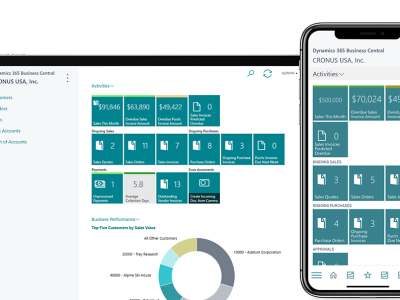
Microsoft Dynamics 365 Business Central is widely considered one of the most flexible ERP solutions for pharmaceutical companies. It provides integrated finance, supply chain, and manufacturing capabilities while allowing customization for regulatory workflows.
Key Benefits:
- Strong integration with Microsoft ecosystem and Power Platform
- Real-time visibility across production and inventory
- Scalable cloud architecture for growing pharma companies
- Compliance-focused workflows and automation
Dynamics 365 helps pharma manufacturers streamline production processes and maintain compliance while improving overall supply chain transparency.
SAP B1
SAP B1 is a powerful ERP solution used by many global pharmaceutical giants. It offers advanced analytics, compliance tools, and end-to-end product lifecycle management, making it ideal for large enterprises.
Key Benefits:
- Advanced manufacturing planning
- Regulatory compliance modules
- Real-time analytics and reporting
- Enterprise-level scalability
Many large pharma companies rely on SAP because of its ability to handle complex multi-site operations and global compliance requirements.
Oracle NetSuite ERP
Oracle NetSuite is a cloud-based ERP platform widely adopted by small and mid-sized pharmaceutical companies. It offers unified financial management, inventory tracking, and compliance features.
Key Benefits:
- Lot tracking and expiry management
- Real-time dashboards and reporting
- Cloud-native architecture
- Strong financial management tools
Infor CloudSuite Process
Infor CloudSuite Process is designed specifically for process manufacturing industries, including pharmaceuticals. It offers strong quality control and compliance capabilities.
Key Benefits:
- Built for formulation-based manufacturing
- Integrated quality management
- Real-time operational visibility
QAD Adaptive ERP
QAD is known for supporting global manufacturing operations. It provides compliance-focused features and advanced supply chain management capabilities.
Key Benefits:
- Regulatory compliance tools
- Manufacturing and logistics optimization
- Scalable global operations
Sage X3
Sage X3 is popular among mid-sized pharmaceutical manufacturers because of its flexibility and cost-effectiveness.
Key Benefits:
- Process manufacturing support
- Quality and traceability management
- Flexible deployment options
SYSPRO ERP
SYSPRO offers strong manufacturing and inventory management capabilities for pharmaceutical companies.
Key Benefits:
- Batch tracking and compliance features
- Manufacturing process automation
- Scalable architecture
Aptean ProcessPro
Aptean ProcessPro ERP is specifically built for formula-based industries such as pharmaceuticals and chemicals.
Key Benefits:
- Electronic batch records
- Quality assurance workflows
- Regulatory compliance features
BatchMaster ERP
BatchMaster ERP is another specialized solution designed for pharma manufacturing operations.
Key Benefits:
- Pre-configured pharma workflows
- QA/QC management
- Production planning and traceability
Dynamics 365 Business Central vs Other Pharma ERP Systems
Flexibility and Integration
Dynamics 365 Business Central stands out because of its seamless integration with Microsoft tools like Power BI, Teams, and Azure. This allows pharmaceutical companies to create a connected digital ecosystem.
Scalability for Growing Companies
Unlike heavy enterprise platforms, Business Central offers scalability suitable for startups, mid-sized manufacturers, and growing pharmaceutical businesses.
Cost Efficiency
Many organizations prefer Business Central because it provides enterprise-level functionality without the high implementation complexity of traditional ERP systems.
How to Choose the Best ERP for Pharmaceutical Companies
Business Size and Complexity
Large enterprises may prefer SAP or Oracle, while mid-sized companies often benefit from Dynamics 365 or Sage X3.
Compliance Requirements
Look for ERP solutions that support GMP, FDA regulations, and electronic documentation processes.
Industry-Specific Features
Pharma companies should prioritize ERP systems with batch tracking, formulation management, and quality control capabilities.
Future Trends in Pharmaceutical ERP Software (2026 and Beyond)
AI and Automation Integration
Modern ERP systems are increasingly integrating AI for predictive analytics, demand forecasting, and automated compliance monitoring.
Cloud-First ERP Adoption
Cloud-based ERP solutions are becoming the standard because they reduce infrastructure costs and improve scalability.
Connected Digital Ecosystems
Pharma organizations are moving toward integrated ecosystems where ERP connects with CRM, lab systems, and analytics platforms.
Frequently Asked Questions (FAQ)
What is the best ERP for pharmaceutical companies in 2026?
Microsoft Dynamics 365 Business Central, SAP S/4HANA, and Oracle NetSuite are among the most widely recommended ERP platforms for pharmaceutical organizations due to their scalability and compliance capabilities.
Why is ERP important for the pharmaceutical industry?
ERP systems help manage regulatory compliance, manufacturing processes, quality control, and supply chain operations in a single platform.
Is cloud ERP suitable for pharma companies?
Yes. Cloud ERP offers flexibility, real-time insights, and improved security, making it ideal for modern pharmaceutical businesses.
Final Thoughts
Choosing the best ERP software for the pharmaceutical industry in 2026 depends on business size, compliance needs, and growth strategy. While enterprise solutions like SAP S/4HANA and Oracle NetSuite remain strong choices, Microsoft Dynamics 365 Business Central continues to stand out as a flexible and scalable ERP platform for modern pharma organizations.
As the industry moves toward AI-driven operations and cloud transformation, ERP will play a central role in helping pharmaceutical companies innovate, maintain compliance, and achieve operational excellence.